

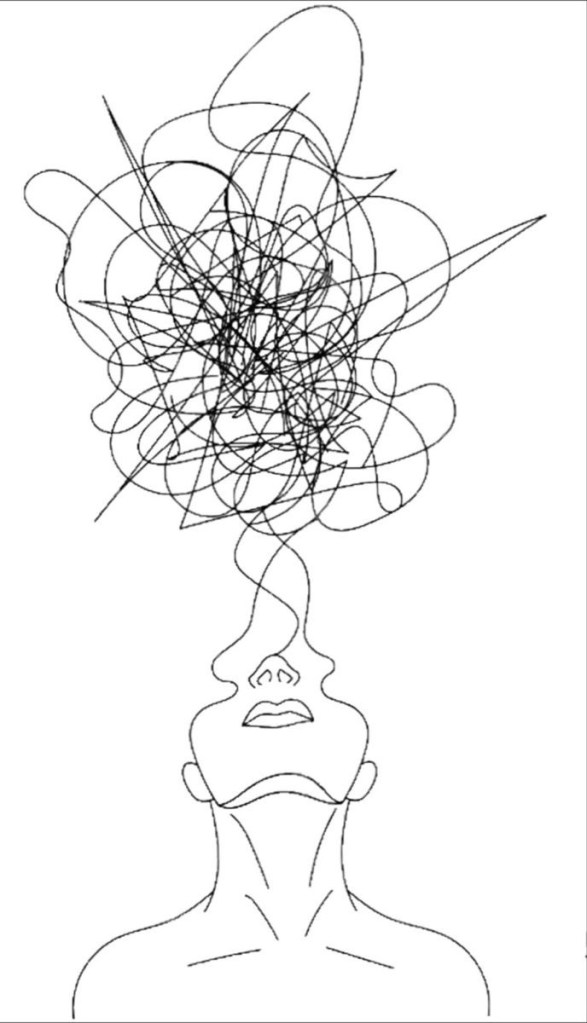
Are you feeling stressed out? Stress is a natural response to life’s challenges, but when it becomes chronic, it can take a toll on your body, leading to physical pain. The mind-body connection is compelling, and understanding how stress can cause physical pain is vital to maintaining overall well-being. Let’s explore the fascinating ways stress gets stored in the body and how it can appear as physical discomfort.
Your Stress Response:
When we encounter a stressful situation, our body goes into “fight or flight” mode, unleashing stress hormones like cortisol and adrenaline. These hormones gear our body up to confront the perceived threat by ramping up heart rate, blood pressure, and blood glucose levels. Although this response is beneficial in the short term, continual activation of this stress reaction can pave the way for a range of health problems.
Chronic Stress and the Body:
Continuous stress can keep your body on high alert for extended periods, leading to wear and tear on various bodily systems. This can result in muscle tension, inflammation, and other physical issues over time. Disrupting the body’s balance, chronic stress can pave the way for long-term health problems.
The body can express stored stress in a variety of ways…
Muscle Tension:
Did you know that one of the most common ways stress affects our bodies is through muscle tension? When stressed, our muscles tighten as part of the body’s natural response to protect itself. If stress persists, this muscle tension can lead to discomfort and pain, especially in the neck, shoulders, and back.
The Role of Fascia:
Did you know that fascia is like a network of connective tissue that wraps around and supports our muscles, bones, and organs? When stressed, this tissue can become tight and restricted, limiting our movement and causing pain in different body parts. Myofascial pain syndrome, a condition marked by chronic pain in the fascia, often arises from this stress and tension.
Inflammation:
Chronic stress doesn’t just affect your mood—it can also wreak havoc on your body. When you’re stressed, your body releases hormones like cortisol, weakening your immune system and making you more prone to infections and chronic inflammation. This can lead to aches and pains in different body parts, especially your joints and muscles. Conditions such as rheumatoid arthritis and fibromyalgia can be made worse by stress-induced inflammation. It’s important to find healthy ways to manage and reduce stress to help keep your body in balance.
Headaches and Migraines:
Stress is a significant factor when it comes to headaches and migraines. Tension in the neck, shoulders, and scalp often leads to pesky tension headaches, while more severe migraines can also be brought on by stress. Although we don’t fully understand the exact mechanisms, it’s believed that stress can cause changes in brain chemistry and blood flow, ultimately triggering these painful episodes.
Back Pain:
Dealing with chronic stress? It’s taking a toll on your mind and your back, too. Stress can trigger muscle tension, wreck your posture, and discourage physical activity, leading to back pain. What’s worse, it can make existing back conditions even more unbearable.
Neck and Shoulder Pain:
The neck and shoulders are especially prone to tension from stress. Many folks feel stress in these areas, which can cause stiffness and pain. This could be due to bad posture, sitting for long periods, and the habit of tensing the shoulders when feeling stressed.
Digestive Issues:
The impact of stress on our body doesn’t just stop at our minds – it can wreak havoc on our digestive system, too. From irritable bowel syndrome (IBS) to acid reflux and stomach ulcers, stress has a significant role to play. The well-established gut-brain connection means that stress can throw our gut bacteria off balance, mess with digestion, and trigger inflammation in the digestive tract, leading to painful and uncomfortable symptoms.
Jaw Pain and Temporomandibular Joint Disorders (TMJ):
When stressed, do you clench or grind your teeth? This typical response can lead to jaw pain and temporomandibular joint disorders (TMJ). This may result in discomfort in your jaw, face, and neck, headaches, and earaches.
Have you ever wondered why stress can sometimes physically hurt?
Nervous System:
Persistent stress can make your nervous system more sensitive to pain signals, causing even minor discomforts to feel like intense pain. On top of that, the constant release of stress hormones can change the way your brain processes pain signals, making the situation even more difficult.
Psychosomatic Response:
The mind-body connection is genuinely fascinating. Did you know that psychological stress can show up as physical symptoms? It’s called psychosomatic response, and it happens when emotional distress causes physical symptoms without a clear medical cause. This can include things like pain, fatigue, and other physical ailments. It’s incredible how our minds and bodies are so connected! So, addressing the underlying psychological stress is essential for easing these symptoms.
Behavioral Factors:
Don’t underestimate the impact of stress on your body. It can trigger behaviors that worsen physical discomfort, like slouching, skipping workouts, and indulging in unhealthy foods. These habits can worsen existing pain and even cause new sources of discomfort. For instance, stress-related overeating can lead to extra pounds, putting more pressure on your joints and muscles.
Managing The Pain
Mindfulness and Relaxation Techniques:
Looking to unwind and de-stress? Try integrating mindfulness meditation, deep breathing exercises, and progressive muscle relaxation into your routine. These practices are excellent for reducing stress and easing tension in the body, ultimately promoting relaxation and helping reset the body’s stress response.
Therapeutic Interventions:
Looking for effective ways to relieve stress and tension? Consider the benefits of massage therapy, acupuncture, and chiropractic care. These holistic therapies specifically address stress-related muscle tension and pain, promoting relaxation and overall healing.
Psychological Support:
Looking for some support to deal with stress? Consider talking to a therapist or counselor for help understanding the root causes of your stress and developing practical coping strategies. Cognitive-behavioral therapy (CBT) is known for being especially effective in managing stress and minimizing its physical effects.
We all understand that stress is unavoidable and can significantly impact our physical health when it becomes overwhelming. It’s essential to recognize how stress affects the body and causes physical pain to address our mental and physical well-being. By practicing stress management techniques, staying active, and seeking support, we can alleviate stress-related pain and enhance our overall health. The mind-body connection is compelling; a holistic approach to managing stress is crucial for our well-being.
-🦩



 Roar louder than your demons